Running a small business? Then you know how crucial every sale is. That’s where sales CRM software for small business comes in—your secret weapon to organize leads, close deals faster, and build lasting customer relationships—all without breaking the bank.
Why Sales CRM Software for Small Business Is a Game-Changer

Small businesses operate in a fast-paced, competitive environment. Unlike large corporations with dedicated sales teams and massive budgets, small businesses need tools that are efficient, affordable, and easy to use. This is where sales CRM software for small business shines. It’s not just a digital rolodex; it’s a complete system that helps you manage every stage of the sales process—from lead capture to closing deals and nurturing long-term relationships.



Streamline Your Sales Process
One of the biggest challenges for small businesses is managing a disorganized sales pipeline. Leads come in from multiple sources—website forms, social media, email, referrals—and without a system, they can easily fall through the cracks. A good CRM centralizes all this data, giving you a single view of every prospect.
- Automatically logs calls, emails, and meetings
- Tracks lead sources and campaign performance
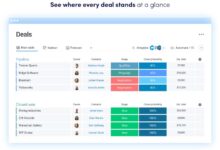
- Provides visual pipelines to monitor deal progress
This level of organization allows small teams to act quickly and consistently, reducing response times and increasing conversion rates.
Improve Customer Relationships
Customer retention is often more profitable than acquiring new ones. Sales CRM software for small business helps you remember important details—like past purchases, preferences, and communication history—so you can personalize interactions and build trust.
“A 5% increase in customer retention can increase profits by 25% to 95%.” — Harvard Business Review
With CRM, every team member has access to the same customer data, ensuring consistent and professional communication across all touchpoints.
Top 7 Sales CRM Software for Small Business in 2024
Choosing the right CRM can feel overwhelming. To help you decide, we’ve analyzed the top 7 sales CRM software for small business based on features, pricing, ease of use, and scalability. These tools are trusted by thousands of small businesses worldwide.
1. HubSpot CRM
HubSpot CRM is one of the most popular free CRM platforms available. It’s incredibly user-friendly and packed with features that scale as your business grows. The free version includes contact management, deal tracking, email integration, and live chat.
- Pros: Free forever plan, intuitive interface, excellent integrations
- Cons: Advanced features require paid upgrades
- Pricing: Free, with paid tiers starting at $45/month
HubSpot integrates seamlessly with Gmail, Outlook, and LinkedIn, making it easy to log interactions without leaving your inbox. It also offers powerful automation tools for follow-ups and task reminders. Learn more at HubSpot CRM.
2. Zoho CRM
Zoho CRM is a feature-rich platform designed specifically for small to mid-sized businesses. It offers AI-powered sales forecasting, workflow automation, and robust mobile capabilities.
- Pros: Highly customizable, strong automation, affordable pricing
- Cons: Interface can be complex for beginners
- Pricing: Starts at $14/user/month (billed annually)
Zoho’s AI assistant, Zia, helps predict deal closures, identifies bottlenecks, and suggests next steps. It also integrates with over 500 third-party apps, including QuickBooks, Mailchimp, and Shopify. Explore Zoho CRM at Zoho CRM.
3. Salesforce Essentials
Salesforce is the world’s leading CRM platform, and Salesforce Essentials is its entry-level product tailored for small businesses. It offers a clean interface, real-time analytics, and strong collaboration tools.
- Pros: Trusted brand, excellent reporting, scalable
- Cons: Higher price point than competitors
- Pricing: $25/user/month
Salesforce Essentials includes built-in email and calendar sync, lead scoring, and team collaboration features. It’s ideal for small businesses planning to scale quickly. Visit Salesforce Essentials for more details.
4. Freshsales (by Freshworks)
Freshsales stands out with its AI-driven insights and built-in phone and email capabilities. It’s designed to help sales teams prioritize high-value leads and close deals faster.
- Pros: Built-in calling, AI-based lead scoring, intuitive UI
- Cons: Limited third-party integrations compared to others
- Pricing: Free plan available; paid plans start at $15/user/month
The platform includes a smart contact assistant that automatically enriches lead data and suggests the best time to follow up. It also offers visual deal timelines and sales sequence automation. Check it out at Freshsales CRM.
5. Pipedrive
Pipedrive is built by salespeople, for salespeople. Its visual sales pipeline is one of the most intuitive in the industry, making it perfect for small businesses focused on deal progression.
- Pros: Pipeline-first design, excellent for visual learners, strong automation
- Cons: Limited marketing features in lower tiers
- Pricing: Starts at $14.90/user/month
Pipedrive excels in simplicity and clarity. You can drag and drop deals across stages, set reminders, and automate follow-ups. It also integrates with over 400 tools, including Mailchimp, Slack, and Google Workspace. Learn more at Pipedrive.
Sales CRM software for small business – Sales CRM software for small business menjadi aspek penting yang dibahas di sini.
6. Insightly
Insightly combines CRM with project management, making it ideal for small businesses that manage client projects or service-based offerings.
- Pros: Project tracking, relationship linking, good mobile app
- Cons: Advanced features locked behind higher tiers
- Pricing: Starts at $29/user/month
With Insightly, you can link contacts to projects, track milestones, and manage tasks—all within the same platform. It’s particularly useful for consulting firms, agencies, and contractors. Visit Insightly CRM for a demo.
7. Agile CRM
Agile CRM is an all-in-one solution that blends sales, marketing, and service features. It’s a great choice for small businesses looking for a comprehensive tool without paying for multiple platforms.
- Pros: All-in-one platform, includes marketing automation, affordable
- Cons: Interface feels outdated, customer support can be slow
- Pricing: Free plan for up to 10 users; paid plans start at $9.99/user/month
Agile CRM includes email campaigns, web tracking, telephony, and helpdesk features. While it’s not as polished as some competitors, it offers tremendous value for the price. Explore it at Agile CRM.
Key Features to Look for in Sales CRM Software for Small Business
Not all CRMs are created equal. When evaluating sales CRM software for small business, focus on features that deliver real value without unnecessary complexity. Here are the must-have capabilities:
Contact and Lead Management
The foundation of any CRM is its ability to store and organize contact information. Look for a system that automatically captures leads from web forms, social media, and email, and enriches them with additional data like company size and job title.
- Automatic data capture from websites and emails
- Duplicate contact merging
- Custom fields for tailored data collection
This ensures your team spends less time on data entry and more time selling.
Sales Pipeline Tracking
A visual sales pipeline helps you understand where each deal stands and identify bottlenecks. The best sales CRM software for small business allows you to customize pipeline stages (e.g., Prospecting, Qualification, Proposal, Closed-Won) and move deals with drag-and-drop ease.
“Teams using a CRM with pipeline visibility close 28% more deals.” — Nucleus Research
Advanced systems also offer forecasting tools that predict revenue based on current pipeline health.
Automation and Workflow Tools
Automation is a force multiplier for small teams. Look for CRM platforms that let you automate repetitive tasks like:
- Sending follow-up emails after a lead is captured
- Assigning leads to team members based on rules
- Scheduling reminders for calls or proposals
These automations reduce human error and ensure no opportunity is missed.
How to Choose the Right Sales CRM Software for Small Business
Selecting the right CRM isn’t just about features—it’s about fit. A tool that works for a tech startup might not suit a local service business. Follow these steps to make the best choice.
Assess Your Business Needs
Start by mapping your sales process. How do you generate leads? How many team members will use the CRM? Do you need project management or marketing tools? Answering these questions helps narrow down your options.
- Identify pain points in your current workflow
- List must-have vs. nice-to-have features
- Consider future growth and scalability
For example, if you run a consulting firm, project tracking and client history are critical. If you’re in e-commerce, integration with your store platform is key.
Evaluate Ease of Use
No matter how powerful a CRM is, it’s useless if your team won’t adopt it. Look for platforms with intuitive interfaces, mobile apps, and minimal learning curves.
- Test the user interface with a free trial
- Check for onboarding resources like tutorials and webinars
- Ensure mobile access for remote or field sales teams
HubSpot and Pipedrive, for instance, are known for their user-friendly designs.
Check Integration Capabilities
Your CRM shouldn’t exist in a vacuum. It should connect seamlessly with tools you already use—like email, calendars, accounting software, and marketing platforms.
Sales CRM software for small business – Sales CRM software for small business menjadi aspek penting yang dibahas di sini.
- Email: Gmail, Outlook
- Productivity: Google Workspace, Microsoft 365, Slack
- E-commerce: Shopify, WooCommerce
- Accounting: QuickBooks, Xero
Zoho CRM and Salesforce offer extensive integration libraries, while Agile CRM includes built-in email and calling features.
Implementing Sales CRM Software for Small Business: Best Practices
Installing a CRM is just the beginning. To get real value, you need a solid implementation strategy.
Start with a Clear Goal
Define what success looks like. Is it reducing lead response time? Increasing close rates? Improving customer satisfaction? Having a clear objective helps guide your setup and training.
- Set measurable KPIs (e.g., 20% faster follow-up time)
- Align CRM goals with overall business objectives
- Communicate the ‘why’ to your team
When your team understands the benefits, adoption rates improve significantly.
Import and Clean Your Data
Migrating existing contacts? Don’t just dump old spreadsheets into the CRM. Clean your data first—remove duplicates, standardize formats, and verify email addresses.
- Use CSV import tools provided by the CRM
- Map fields correctly (e.g., ‘Company’ to ‘Organization’)
- Validate data post-import
Dirty data leads to confusion and inefficiency. A clean database ensures accuracy and trust in the system.
Train Your Team Thoroughly
Even the best sales CRM software for small business fails without proper training. Schedule onboarding sessions, create quick-reference guides, and assign a CRM champion.
“Companies that invest in CRM training see 3x higher user adoption.” — Salesforce Research
Encourage feedback and continuous learning. Most CRM providers offer free training resources—take advantage of them.
Common Mistakes to Avoid When Using Sales CRM Software for Small Business
Many small businesses adopt a CRM but fail to realize its full potential. Here are the most common pitfalls and how to avoid them.
Overcomplicating the Setup
It’s tempting to customize every field and automate every process from day one. But this often leads to confusion and low adoption. Start simple—focus on core features like contact management and pipeline tracking.
- Use default settings initially
- Gradually add customizations as needed
- Avoid creating too many custom fields or stages
Complexity kills usability. Keep it lean and user-friendly.
Ignoring Data Hygiene
If your CRM is filled with outdated or incorrect information, it becomes a liability. Establish regular data cleanup routines.
- Schedule monthly audits
- Assign ownership of contact records
- Use deduplication tools
Accurate data leads to better decisions and stronger customer relationships.
Not Using Automation
One of the biggest missed opportunities is underutilizing automation. Manual follow-ups and task reminders are time-consuming and error-prone.
- Automate welcome emails for new leads
- Set up task assignments based on lead source
- Use sequences for multi-step follow-ups
Even basic automation can save hours each week and improve consistency.
The Future of Sales CRM Software for Small Business
CRM technology is evolving rapidly, and small businesses are no longer left behind. Emerging trends are making CRMs smarter, more intuitive, and more accessible than ever.
AI-Powered Insights
Artificial intelligence is transforming how small businesses use CRM. AI can now predict which leads are most likely to convert, suggest optimal follow-up times, and even draft personalized emails.
Sales CRM software for small business – Sales CRM software for small business menjadi aspek penting yang dibahas di sini.
- Zia in Zoho CRM analyzes behavior patterns
- HubSpot’s AI recommends content for leads
- Freshsales uses AI to score leads in real time
These tools help small teams compete with larger organizations by making smarter, data-driven decisions.
Mobile-First Design
With more sales happening on the go, mobile CRM access is no longer optional. Modern sales CRM software for small business offers robust mobile apps with full functionality.
- Log calls and notes from your phone
- Update deal stages during client meetings
- Receive real-time notifications
Pipedrive and Salesforce have particularly strong mobile experiences.
Integration with Communication Platforms
The future of CRM is embedded communication. Instead of switching between apps, you’ll manage emails, calls, and messages directly within the CRM.
- HubSpot and Freshsales offer built-in calling
- Slack integrations allow team collaboration on deals
- WhatsApp and SMS integration is becoming standard
This seamless experience reduces friction and keeps all customer interactions in one place.
What is the best sales CRM software for small business?
The best sales CRM software for small business depends on your specific needs. HubSpot CRM is ideal for those wanting a free, user-friendly option. Zoho CRM offers great value with advanced features. Pipedrive excels in visual pipeline management. Evaluate your sales process, team size, and budget to choose the right fit.
Is CRM software worth it for small businesses?
Absolutely. CRM software helps small businesses organize leads, improve customer relationships, and increase sales efficiency. Even basic CRMs can save hours per week and boost conversion rates. The return on investment is often significant, especially when combined with automation and analytics.
Can I use CRM software on my phone?
Yes, most modern sales CRM software for small business offers mobile apps for iOS and Android. These apps allow you to manage contacts, update deals, log calls, and receive notifications on the go. Pipedrive, HubSpot, and Salesforce have particularly strong mobile experiences.
How much does CRM software cost for small businesses?
Costs vary widely. Many CRMs offer free plans (e.g., HubSpot, Agile CRM). Paid plans typically range from $10 to $50 per user per month. Some, like Zoho CRM, start at $14/user/month, while Salesforce Essentials is $25/user/month. Consider your team size and required features when budgeting.
Do I need technical skills to use CRM software?
No, most sales CRM software for small business is designed for non-technical users. Platforms like HubSpot and Pipedrive have intuitive interfaces and offer onboarding support. You can usually get started with minimal training. Free trials and tutorials make it easy to learn as you go.
Choosing the right sales CRM software for small business can transform how you manage customer relationships and grow your revenue. From HubSpot’s free plan to Salesforce’s enterprise-grade tools, there’s a solution for every budget and need. Focus on ease of use, essential features, and scalability. Avoid common mistakes like overcomplicating setup or neglecting data hygiene. With the right strategy, a CRM becomes more than software—it becomes a growth engine for your small business.
Sales CRM software for small business – Sales CRM software for small business menjadi aspek penting yang dibahas di sini.
Further Reading: